TATTOO REMOVAL DUBAI
Picosecond experience since 2014.
6 Advanced Laser Systems
Over 20 years of experience in laser medicine.
Multiple technologies for different tattoo colours and skin types.
Key Takeaways
- Response to tattoo removal varies from one tattoo to another.
- Tattoo colour, pigment composition, depth, density, age, location, previous treatment, skin characteristics and individual response can all influence treatment.
- Medical Village has six tattoo-removal laser systems, including both picosecond and Q-switched technologies.
- The number of treatment sessions varies and cannot be predicted precisely in advance.
- The treatment approach is reviewed and may be adjusted during the tattoo-removal journey according to response.
- Complete clearance cannot be guaranteed.
What is Laser Tattoo Removal?
Laser tattoo removal is a non-invasive medical procedure that uses focused beams of light to break tattoo ink into particles small enough for your body to clear on its own. It is currently the most widely used and best-studied method of tattoo removal worldwide, according to the American Academy of Dermatology.
Unlike older techniques, which physically removed the skin containing the ink, laser treatment leaves the surrounding tissue largely untouched. Laser energy is directed towards tattoo pigment, with treatment parameters selected according to the tattoo and surrounding skin. Over a series of sessions, the ink fades as your immune system carries the fragmented particles away.
At Medical Village, tattoo removal is planned using a range of laser technologies, with treatment reviewed according to the tattoo, skin characteristics and response over time.
How does Laser Tattoo Removal Work?
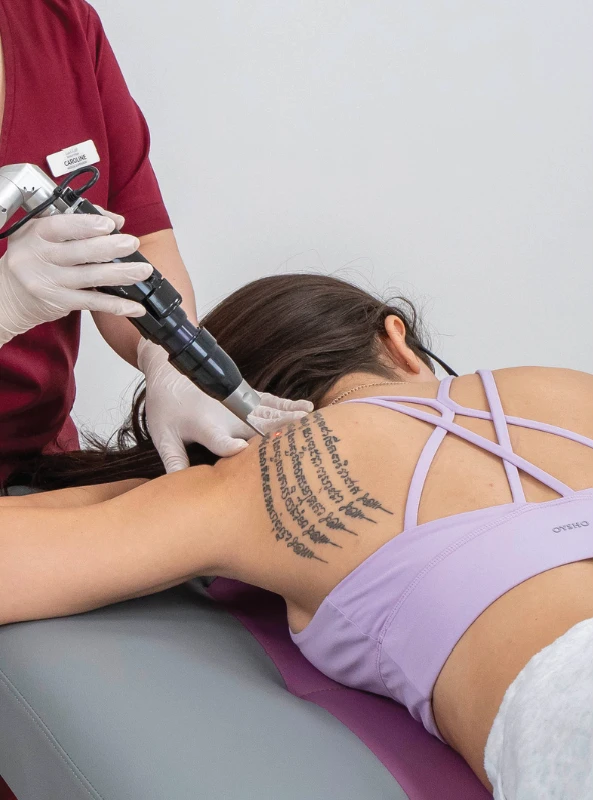
The science is straightforward. Tattoo ink sits in the dermis, the deeper layer of your skin, in particles too large for your immune system to remove. Laser technology delivers short pulses of energy that are absorbed by tattoo pigment, breaking it into smaller particles that can gradually be cleared by the body. The energy shatters each ink particle into microscopic fragments, and your lymphatic system then carries those fragments away over the following weeks.
The speed of the laser pulse matters a great deal. Older Q-switched lasers fire in nanoseconds (billionths of a second). Newer picosecond lasers, such as PicoSure, fire in trillionths of a second, which produces a more mechanical (photoacoustic) effect on the ink and tends to break it into smaller fragments.
Picosecond and Q-switched lasers can each have different roles in tattoo removal. The choice of technology depends on factors such as tattoo pigment, tattoo characteristics, skin type and treatment response.
A typical session at Medical Village takes 10 to 30 minutes, depending on tattoo size. Numbing cream or a cooling device is used to keep you comfortable. Some discomfort is expected during tattoo removal, although the level varies from person to person and can also depend on the area being treated. Appropriate measures may be used to support patient comfort during treatment.
Laser vs Non-Laser Tattoo Removal
Laser is not the only method, but it is the one medical professionals overwhelmingly recommend for most tattoos. The main alternatives are:
-
Dermabrasion Physically sanding down the upper skin layers. Higher risk of scarring, longer healing time, and usually only suitable for very small tattoos.
-
Surgical excision Cutting out the tattooed skin and stitching the area closed. Leaves a permanent scar and is only practical for small tattoos in flexible skin areas.
-
Chemical removal Applying acid-based solutions to the skin. Less precise, carries a real risk of chemical burns, and is no longer considered a mainstream option.
At Medical Village we use laser removal as our primary approach because it offers the best balance of precision, safety, and cosmetic outcome for the widest range of tattoos. For a more detailed comparison, see our article on laser vs non-laser tattoo removal.
What to Know Before Your Tattoo Removal
A good result starts with a realistic conversation. Before your first session at Medical Village, you’ll have a consultation with Dr. Taghaddos to assess your tattoo and set expectations. Here is what genuinely affects outcome:
Several factors can influence how a tattoo responds to laser treatment, including tattoo colour and pigment composition, depth and density of the ink, age and location of the tattoo, previous treatment, skin characteristics and individual response. These factors are considered together when planning treatment rather than being used as fixed predictors of outcome.
- Your skin tone. Laser tattoo removal can be performed on different skin types, but the choice of technology and treatment settings must take individual skin characteristics into account.
- Your health and skincare routine. Sun-tanned skin should not be lasered. You’ll need to avoid sun exposure and certain skincare products in the weeks before and after each session.
During assessment, the tattoo and skin are evaluated, previous treatment is discussed, and the treatment approach and realistic expectations are reviewed.
A fixed number of sessions or complete clearance cannot be guaranteed, as response to treatment varies from one tattoo to another.
Benefits of Laser Tattoo Removal
When performed by a qualified practitioner using modern equipment, laser tattoo removal offers several clinical advantages:
- Non-invasive. No incisions, no stitches, no general anaesthetic.
- Targeted. Laser energy is directed towards tattoo pigment, with treatment parameters selected according to the tattoo and surrounding skin.
- Multiple laser technologies and wavelengths provide treatment options for a range of tattoo pigments and skin types.
- Short recovery. Most people return to normal activities straight after the session, with mild redness or swelling for a few days.


Risks and Possible Side Effects
Laser tattoo removal can cause temporary skin reactions following treatment. Individual response can vary according to the tattoo, treatment parameters and skin type.
Common and usually temporary:
- Redness, swelling, or tenderness for a few days after the session
- Small blisters or crusting as the area heals
- Temporary lightening or darkening of the treated skin
Less common:
- Longer-lasting pigment changes (hypopigmentation or hyperpigmentation), particularly in darker skin tones if settings are not adjusted correctly
- Infection, if aftercare instructions are not followed
- Scarring, which is uncommon with modern lasers in experienced hands
For detailed guidance on managing any of these, see our dedicated articles on tattoo removal aftercare and how to minimise side effects.
Tattoo Removal Myths vs Facts
There are several common misconceptions about laser tattoo removal. Here are some of them.
Myth 1: Tattoo removal is unbearably painful.
Some discomfort is expected during tattoo removal, but the level varies from person to person and may also depend on the area being treated. Cooling or numbing cream may be used when appropriate to help manage discomfort.
Myth 2: One session is enough.
Tattoo removal usually requires several sessions. The number depends on the individual tattoo, skin characteristics and response to treatment. Complete removal cannot always be guaranteed.
Myth 3: Laser tattoo removal always leaves a scar.
Scarring is uncommon when treatment is performed appropriately, although no procedure is completely without risk. Skin response varies, and temporary or longer-lasting pigment changes are also possible.
Myth 4: Tattoo removal works the same on every skin tone.
Different skin types require different considerations. The laser technology and treatment settings are selected according to the tattoo and individual skin characteristics.
Myth 5: Laser tattoo removal is dangerous.
Laser tattoo removal is a well-established treatment when performed appropriately. Temporary skin reactions may occur, which is why proper assessment, suitable technology and settings, and aftercare are important.
How to Choose a Tattoo Removal Clinic in Dubai
Not all tattoo removal services in Dubai are equal. Before booking, look for these five signals of a reputable clinic:
- DHA licensing. The practitioner performing your treatment should hold a current Dubai Health Authority licence, and the clinic should be registered as a licensed medical facility. You can verify both on the DHA Sheryan portal.
- FDA-cleared equipment. Ask which specific laser platforms the clinic uses, and check they are cleared by the US Food and Drug Administration for tattoo removal. Reputable clinics are happy to tell you.
- A proper consultation. A good practitioner will examine your tattoo, ask about your skin and medical history, and give you a realistic estimate of sessions and outcome, never a guarantee.
- Experience with laser medicine. Operating a laser safely is a skill built over years. Ask how long the practitioner has been performing tattoo removal and whether they have experience treating your skin type.
- Clear aftercare support. Your clinic should give you written aftercare instructions and be reachable if you have concerns between sessions.

Tattoo Removal at Medical Village in Dubai
Medical Village is located on Villa 24, Street 10B, Al Manara, Dubai. We were the first clinic in the Middle East and North Africa to offer PicoSure tattoo removal, a milestone independently reported by The National in 2019.
Our Six Advanced Laser Systems:
- PicoSure Pro – Picosecond technology providing additional treatment options for selected tattoo pigments.
- PicoSure – Picosecond laser technology used as part of Medical Village’s multi-device tattoo-removal approach.
- PicoWay – Multiple wavelengths and ultra-short picosecond pulses provide treatment options for a broad range of tattoo pigments.
- Helios IV – Multiple wavelengths and pulse technologies provide additional flexibility for different tattoo pigments and skin types.
- RevLite – a Q-switched laser system used for tattoo and pigment treatment, and remains useful for selected tattoo colours and skin types.
- MedLite C6 – a Q-switched Nd:YAG laser used for tattoo and pigment treatment, as part of Medical Village’s multi-device approach.
Having six tattoo-removal laser systems in the same clinic provides greater flexibility to select or adjust the technology according to the individual tattoo, skin characteristics and treatment response.
Medical Village has extensive experience using Q-switched laser technology for tattoo removal.
Regular tattoo-removal treatments at Medical Village are carried out by experienced laser technicians trained in tattoo removal, within a doctor-supervised treatment plan. The technology and treatment settings are selected according to the tattoo, the patient’s skin, previous treatment and response, with medical input when required.
Permanent eyeliner tattoo removal is performed personally by Dr. Hamid Taghaddos.
For more information about cosmetic tattoo removal, see our dedicated pages for Eyebrow Tattoo Removal, Microblading Removal and Permanent Eyeliner Tattoo Removal.
To book a consultation, contact us by phone or WhatsApp on +971 4 346 9999, or visit our clinic in Al Manara.

Picosure Pro
All tattoo colors, especially difficult blues and greens

Picosure
Colorful tattoos and resistant inks

Picoway
Multi-colored tattoos and darker skin types

Helios IV
Large black and red tattoos
FAQ
We Are Here To Help You With Any Questions about Tattoo Removal
The number of sessions varies from one tattoo to another and cannot be predicted precisely in advance. Tattoo colour, pigment composition, depth, density, age, location, previous treatment, skin characteristics and individual response can all influence the number of treatments required.
The interval between sessions is determined according to the treated area, skin recovery, tattoo characteristics and treatment response. Adequate time between treatments allows the skin to recover and the body to continue clearing fragmented pigment.
Some discomfort is expected during tattoo removal, although the level varies from person to person and can also depend on the area being treated. Appropriate measures may be used to support patient comfort during treatment.
Yes. Different tattoo pigments can respond differently to laser treatment. Pigment composition, depth and density can all influence the response, which is why the treatment approach may be adjusted for different colours.
Yes. Tattoo removal can be performed on darker skin types, but the choice of laser technology and treatment settings needs to take the individual skin characteristics into account.
Scarring is uncommon when laser tattoo removal is performed correctly, but no treatment is completely risk-free. Individual response can vary, and temporary or longer-lasting pigment changes may also occur.
Most sessions last 10 to 30 minutes, depending on the size of the tattoo.
Recent sun exposure or tanning can affect treatment planning and may increase the risk of pigmentary changes. Sun exposure should therefore be discussed before treatment, and appropriate sun protection is important throughout the treatment course.
Yes. Laser treatment can be used to fade an existing tattoo before a cover-up, when complete removal is not required. The degree of fading needed depends on the existing tattoo and the planned new design.
Call or WhatsApp +971 4 346 9999, or use the contact form. Your first consultation includes a full assessment and a personalised treatment plan.
Significant clearance can be achieved in many tattoos, but complete removal cannot be guaranteed. Some tattoos may leave a faint residual or "ghost" image.
Temporary redness, swelling or tenderness can occur after treatment. Some patients may also experience temporary blistering or crusting. The expected skin response and aftercare instructions will be explained as part of the treatment process.
Different tattoos can respond differently depending on pigment, depth, density, skin characteristics and previous treatment. Having several laser technologies available provides greater flexibility to select or adjust the treatment approach according to the individual tattoo and its response.
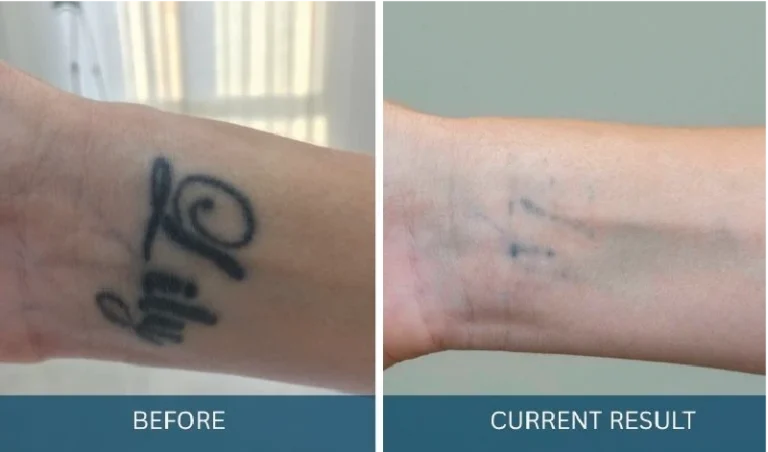
TATTOO REMOVAL
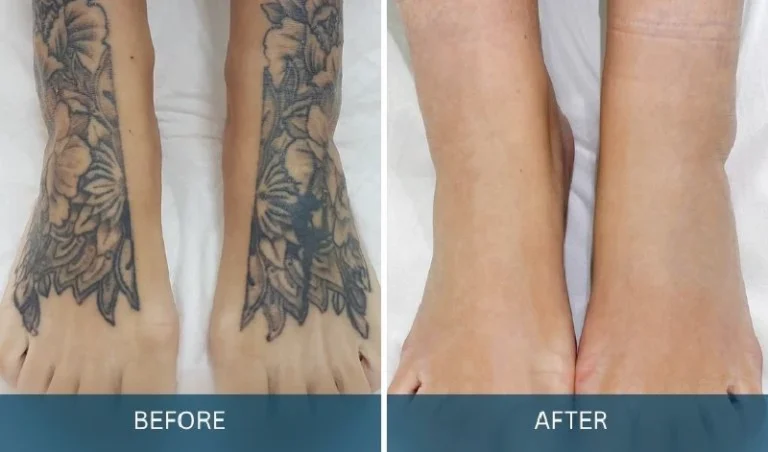
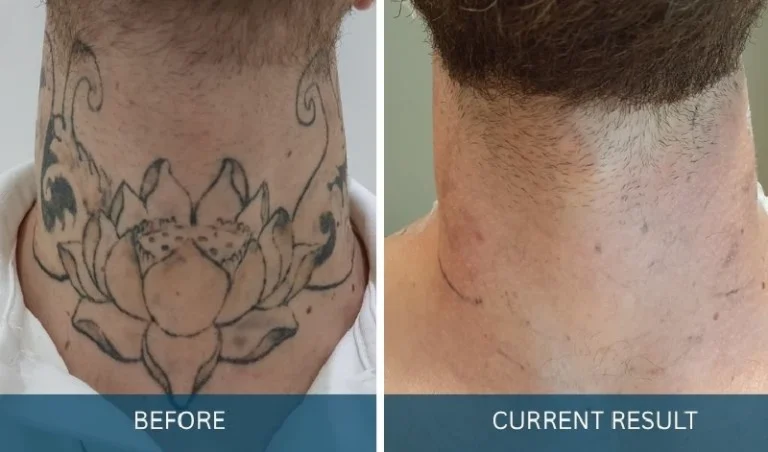
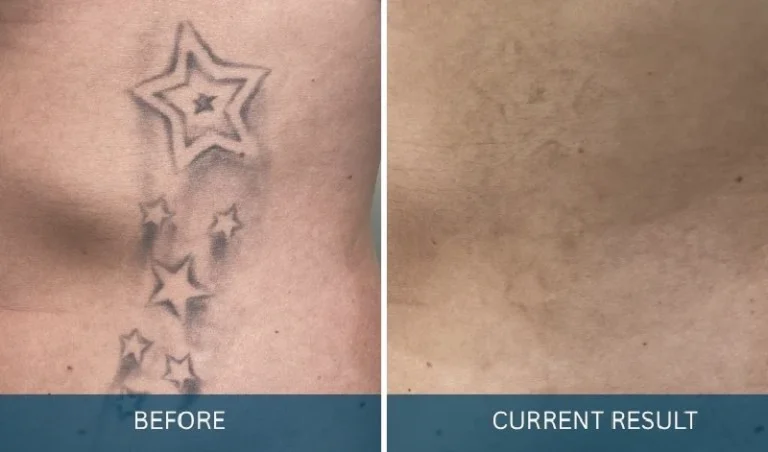
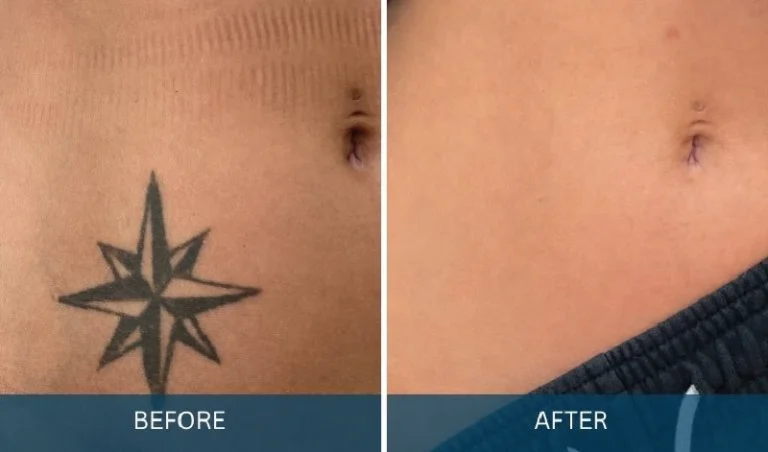
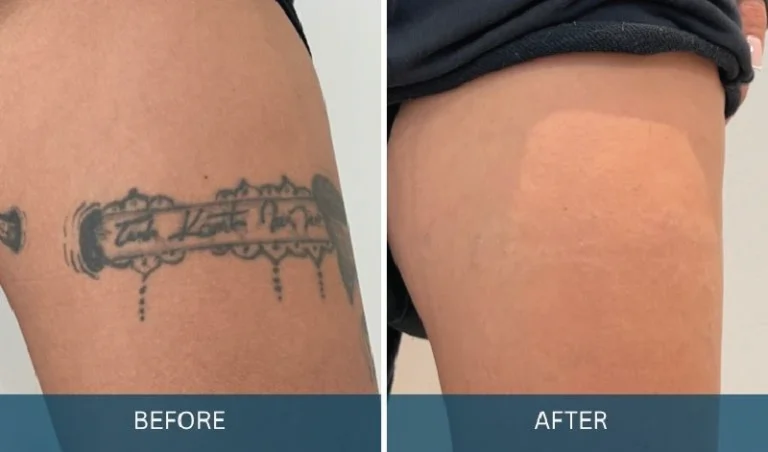
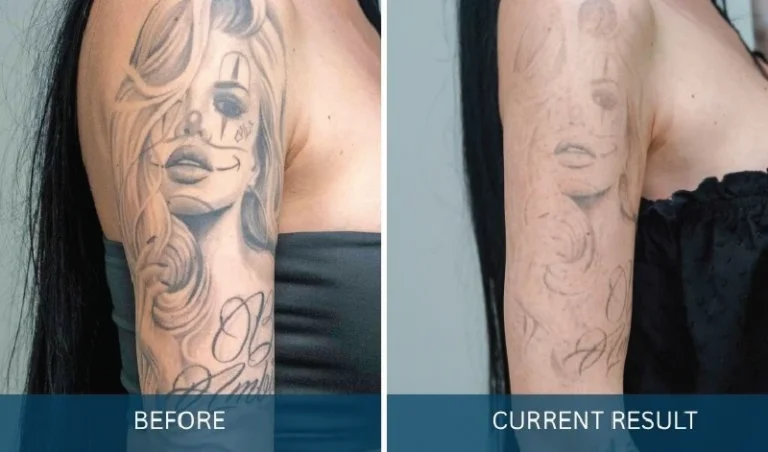
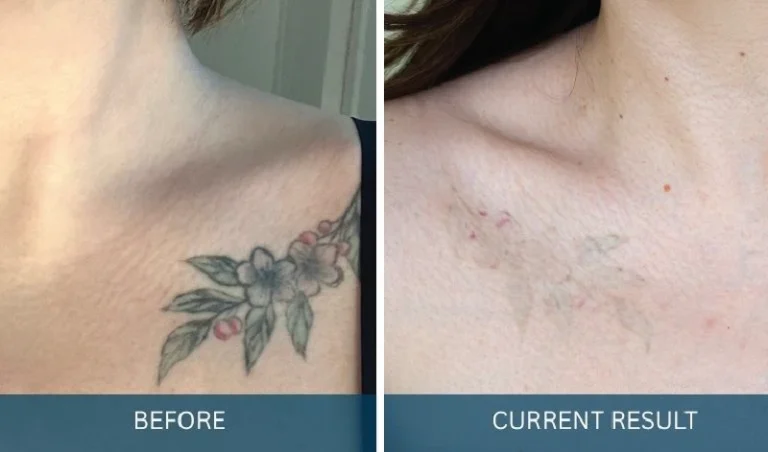
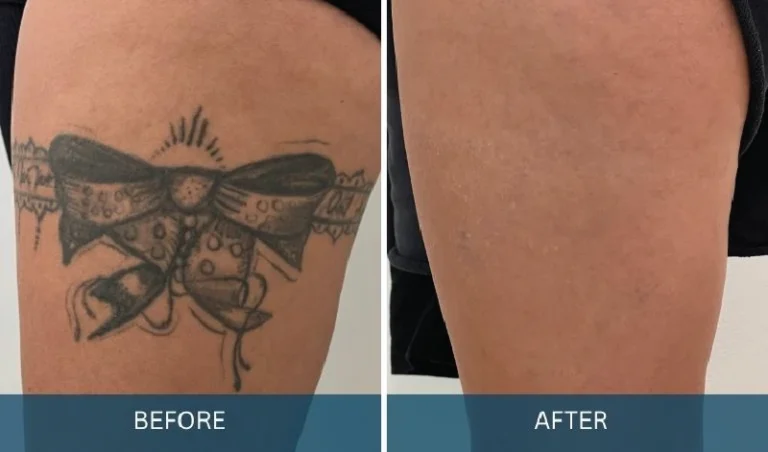
BEFORE AND AFTER
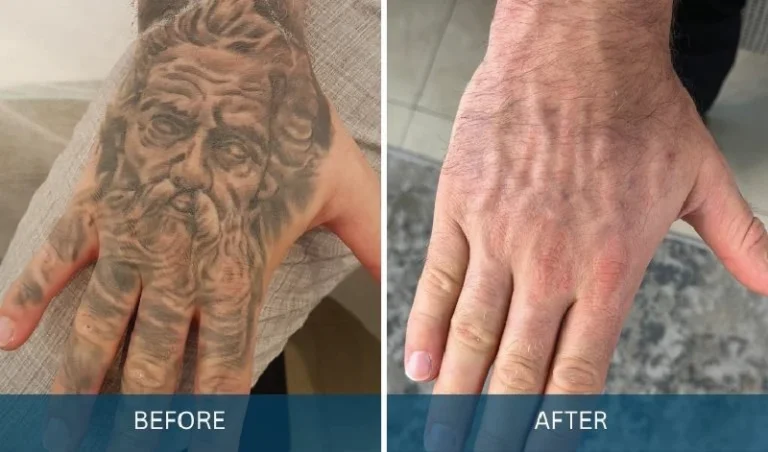
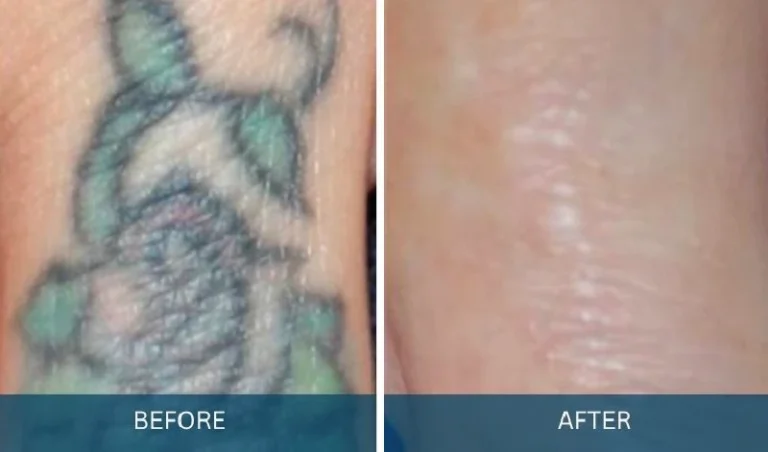
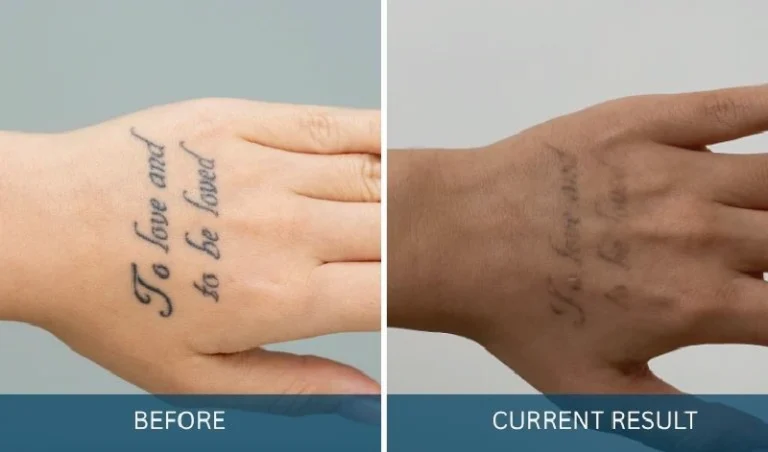
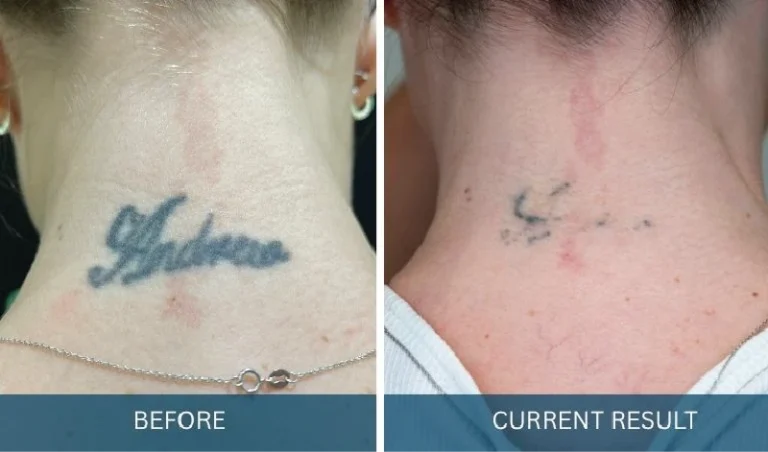
These results were achieved using tattoo removal laser technologies available at Medical Village. Treatment approach and results vary according to the individual tattoo, skin characteristics and response.
Ready to Start Your Tattoo Removal Journey?
Book a consultation with Dr. Hamid Taghaddos at Medical Village, Al Manara, and get an honest assessment of what modern laser tattoo removal can do for your specific tattoo. Call +971 4 346 9999, WhatsApp us, or use our contact form.
This article is for informational purposes only and is not a substitute for professional medical advice. Always consult a qualified healthcare provider at Medical Village or your physician before making any health decisions.
Written by: Medical Village Editorial Team
Medically reviewed by: Dr. Hamid Taghaddos, Registered General Surgery (Laser Specialist), DHA License #00240836-001
Last updated: October 2026
Sources:
- American Academy of Dermatology – Tattoo Removal: Options and Results. https://www.aad.org/public/cosmetic/scars-marks/tattoo-removal-options-results
- NHS – Tattoo removal. https://www.nhs.uk/conditions/cosmetic-procedures/tattoo-removal/
- US Food and Drug Administration – Tattoos & Permanent Makeup: Fact Sheet. https://www.fda.gov/cosmetics/cosmetic-products/tattoos-permanent-makeup-fact-sheet
- Dubai Health Authority – Professional licence verification portal. https://services.dha.gov.ae/sheryan/
- The National (2019) – Dubai clinic offers to help banish tattoo regret with latest laser solution. https://www.thenationalnews.com/arts/dubai-clinic-offers-to-help-banish-tattoo-regret-with-latest-laser-solution-1.9855
BOOK YOUR APPOINTMENT
Leave us a message with your contact details and we will get back to you as soon as possible.