What Is the HydraFacial Treatment?
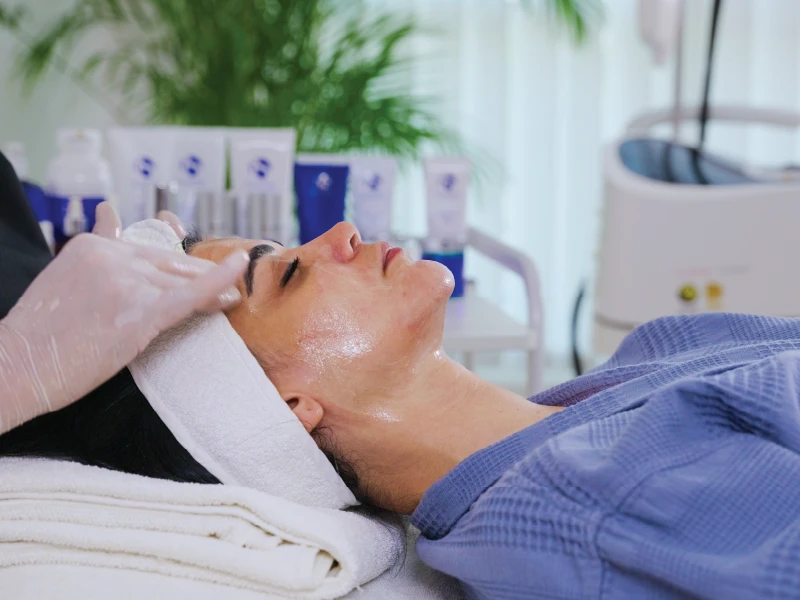
The HydraFacial is a medical-grade skin treatment that brings together exfoliation, deep cleansing, extractions and hydration through a specialized device designed to rejuvenate the skin in a single session.
Unlike a traditional facial, which relies on a practitioner’s hands and a series of separate products, HydraFacial uses one handpiece to cleanse, exfoliate, extract and hydrate the skin in one continuous pass.
The treatment is classified as non-invasive, meaning it works on the surface and upper layers of the skin without needles, incisions or the recovery time associated with more intensive procedures.
HydraFacial: The Science Behind It
The HydraFacial technology was developed by Edge Systems LLC and first introduced in 1997. Its core innovation, a patented delivery system known as Vortex-Fusion, uses a spiral tip design paired with controlled suction to loosen and remove impurities from the pores while simultaneously infusing the skin with active serums.
This dual action, extracting and hydrating at the same time, is what distinguishes HydraFacial from earlier facial technologies, which typically addressed cleansing and hydration as separate steps.
The system and its treatment tips are FDA-cleared, and the technology is used in clinics across more than 80 countries.
At Medical Village, HydraFacial is administered by trained aestheticians under the oversight of Dr. Hamid Taghaddos, as part of a licensed aesthetic practice, with treatment plans adjusted per patient based on skin type and concern.
The HydraFacial Process at Medical Village: Step by Step
The HydraFacial follows a step-by-step treatment process designed to target different aspects of skin health, from surface renewal to hydration.
Step 1. Cleanse and Exfoliate
The treatment begins by lifting away dead skin cells and surface debris, uncovering a fresh layer of skin and preparing it for extraction.
Step 2. Extract
Using the handpiece’s vortex suction, pores are cleared of trapped debris and blackheads without the manual pressure used in traditional extractions.
Step 3. Hydrate
Antioxidant and hyaluronic acid serums are delivered directly into the skin using the same vortex technology, replenishing moisture at a deeper level than topical application alone.
Step 4. Protect
The final step seals in the serums applied during the hydration step and adds a layer of peptides and antioxidants, leaving the skin protected as the patient leaves the clinic. This last step also helps support ongoing skin improvement after the treatment, allowing the benefits to continue as the skin absorbs and utilizes the infused ingredients.
A full session at Medical Village typically runs 30 to 45 minutes for the Deluxe option, or up to 60 minutes for Platinum, depending on the boosters and add-ons included.
Who HydraFacial Is Right For
The HydraFacial is formulated to work across a broad range of skin types, including sensitive, oily, dry and acne-prone skin, which is part of why it has become a standard offering across dermatology and aesthetic clinics rather than a niche treatment.
Patients most commonly seek out HydraFacial for:
- Dullness and uneven skin texture.
- Congested or enlarged pores.
- Early signs of fine lines and dehydration.
- Mild sun damage and uneven tone.
- General skin maintenance ahead of an event or as part of a regular skincare routine.
It is generally not recommended for patients with active skin infections, open wounds or a recent sunburn in the treatment area, as suction based treatments can aggravate compromised skin. Patients with rosacea or highly reactive skin should discuss their specific case with Dr. Hamid Taghaddos beforehand, since suction intensity and serum selection may need to be adjusted.
Which Treatment Is Right for You: HydraFacial and the Alternatives
The HydraFacial is often the starting point for patients exploring aesthetic treatments, but it isn’t the only option at Medical Village, and it isn’t always the most appropriate one depending on the concern.
HydraFacial vs. LaseMD
LaseMD uses fractional laser technology to address deeper concerns like pigmentation and texture, and involves some downtime. HydraFacial works at the surface level with no downtime, making it better suited to maintenance and immediate glow rather than significant textural change.
HydraFacial vs. Potenza RF
Potenza RF uses radiofrequency microneedling to stimulate collagen production for concerns like scarring and skin laxity. It requires more recovery time than HydraFacial and is generally chosen for more structural skin concerns rather than surface hydration and clarity.
HydraFacial vs. IS Clinical Facial
IS Clinical Facial uses medical-grade skincare products and hands-on techniques to deliver a customized facial experience, while HydraFacial uses a specialized vortex device to cleanse, exfoliate, extract impurities and infuse the skin with hydrating serums.
Frequently
Asked Questions
Most patients see the best ongoing results with a session every 4 to 6 weeks, which aligns with the skin's natural renewal cycle. Some patients with specific requests, like pre-event prep, may book more frequently.
Yes, the HydraFacial is generally well tolerated by sensitive skin, since it doesn't involve the abrasive scrubbing or aggressive extraction of some traditional facials. Your provider at Medical Village can adjust suction intensity and serum selection if your skin tends to react easily.
In many cases, yes. The HydraFacial is often used alongside treatments like LED therapy or scheduled around laser treatments, though timing between different procedures should be confirmed with Dr. Hamid Taghaddos to avoid overlapping recovery periods.
Purging is uncommon with HydraFacial specifically, since the treatment is designed to extract rather than introduce new active ingredients that trigger cell turnover. Mild redness for a few hours is the most common reaction.
Yes, and it's one of the most common reasons patients book this treatment. Because there's no downtime and the results are visible almost immediately, HydraFacial is well suited to being scheduled 1 to 2 days before a wedding, photoshoot or other event. Booking too close to the event, same day, isn't recommended, since mild redness can take a few hours to fully settle.
BOOK YOUR APPOINTMENT
Leave us a message with your contact details and we will get back to you as soon as possible.