Vitamin deficiency causes skin pigmentation - Medical Village Dubai

What Vitamin Deficiency Causes Skin Pigmentation?

Understanding which vitamin deficiency causes skin pigmentation is the first step to fixing uneven tone and dark spots. Your skin’s radiance depends on more than just creams or treatments. What you eat and the nutrients your body receives play a major role in how your skin looks and feels. When certain vitamins are missing, your skin can lose its natural glow and develop uneven patches or dark spots.

Many people focus only on external products when dealing with pigmentation, but sometimes the cause starts from within. A vitamin deficiency can quietly disrupt your skin’s balance and lead to visible changes in color and texture.

That being said, understanding which vitamins affect your skin and how to restore them can help you achieve a healthier, more even complexion. Let’s break it all down for you…

The Basics: Understanding Skin Pigmentation

Your skin’s color comes from a natural pigment called melanin. It’s produced by cells known as melanocytes, which also give color to your hair and eyes. The amount of melanin your body produces depends on factors like your genetics, hormone levels and how much sunlight your skin is exposed to.

When melanin production becomes unbalanced, some areas of the skin can appear darker or lighter than the rest. This condition is called hyperpigmentation or hypopigmentation. Common examples include melasma, sunspots, freckles and marks left behind by acne.

While sun exposure and hormones are well-known causes, internal health also plays a big role. When your body lacks specific vitamins, it can disrupt melanin production, making pigmentation worse or slowing down the skin’s ability to repair itself.

Research shows that vitamin deficiency causes skin pigmentation by disrupting melanin production and cell repair.

How Vitamins Affect Skin Health

Several vitamin deficiencies cause skin pigmentation issues. Vitamins are essential for having healthy, glowing skin. They promote cell regeneration, increase collagen formation, protect from environmental harm and aid in moisture retention. Without these nutrients, your skin may appear dull, dry or uneven.

Certain vitamins have a direct influence on melanin levels. They help in the regulation of pigment formation as well as the repair of cells damaged by sunlight or inflammation. If your body doesn’t get enough of these vitamins, your skin may start to develop dark or uneven spots that are slow to fade.

Maintaining a healthy vitamin intake is one of the most simple and efficient strategies to keep your skin even, smooth and glowing.

Vitamin Deficiencies Linked to Skin Pigmentation

Now let's look at exactly which vitamin deficiency causes skin pigmentation and how each one affects your tone. Here are the ones most commonly linked to changes in skin color and tone:

Vitamin B12
A lack of vitamin B12 can cause darker patches on the skin, especially on the face, hands and neck. This type of pigmentation is often more noticeable in darker skin tones. Vitamin B12 supports healthy cell formation, so when it is missing, your skin struggles to renew itself evenly. People who avoid animal products such as meat, eggs and dairy are more likely to experience this deficiency.

Vitamin D
Vitamin D plays an important role in skin cell growth and repair. When levels are low, your skin may not heal properly or may show uneven pigmentation. Because vitamin D is produced when your skin is exposed to sunlight, people who spend most of their time indoors or use strong sun protection can become deficient over time.

Vitamin C
Vitamin C is a powerful antioxidant that brightens the skin and helps fade dark spots. It also supports collagen production, which keeps the skin firm and youthful. A lack of vitamin C can make your skin appear dull and make pigmentation marks harder to fade.

Vitamin E
Vitamin E protects your skin from free radical damage caused by the sun and pollution. When you are low on this vitamin, your skin becomes more prone to sun damage and discoloration. It works best when combined with vitamin C, as the two reinforce each other’s protective effects.

Vitamin A
Vitamin A encourages skin renewal and helps regulate the production of pigment. Without it, the skin becomes rough and uneven, and existing dark spots may take longer to fade. Retinoids, which are derived from vitamin A, are often used in skincare to treat pigmentation and improve texture.

Together, these vitamins play a major role in keeping your skin clear, even and healthy. Deficiencies in one or more can make pigmentation more visible and harder to treat.

The Signs You May Have a Vitamin Deficiency

So how do you know if you have a vitamin deficiency? Well, your skin will often reflect what is happening inside your body. If you notice any of the following symptoms, you may be low in essential vitamins:

  • Persistent dullness or uneven tone.
  • Brown or gray patches that develop slowly.
  • Dry or flaky texture.
  • Wounds or acne marks that heal slowly.
  • Fatigue, brittle nails or hair loss.
  • Loss of radiance or elasticity.

If these symptoms sound familiar, it is a good idea to speak with your doctor. A simple blood test can reveal which vitamins your body needs and guide you toward the right supplements or dietary changes.

How to Restore Healthy and Even Skin Tone

Achieving a clear and even skin tone starts from within.

A well-balanced diet rich in vitamins B12, C, D, A and E promotes healthy cell renewal and prevents pigmentation from accumulating.

Staying hydrated, getting proper sleep and sun protection are all equally important. Regular use of creams containing brightening chemicals like vitamin C, niacinamide or retinol can also help remove dark spots and improve brightness.

Lastly, professional treatments can also help with deeper pigmentation or stubborn discoloration.


Professional Treatments for Skin Pigmentation

At Medical Village in Dubai, Dr. Hamid Taghaddos and our team use some of the most advanced technologies to safely and effectively treat pigmentation. Our laser systems include:

PicoSure Pro: Uses ultra-short pulses to shatter pigment particles and stimulate collagen, improving tone and texture.
PicoWay: Targets stubborn pigmentation with precision and works well for darker skin types.
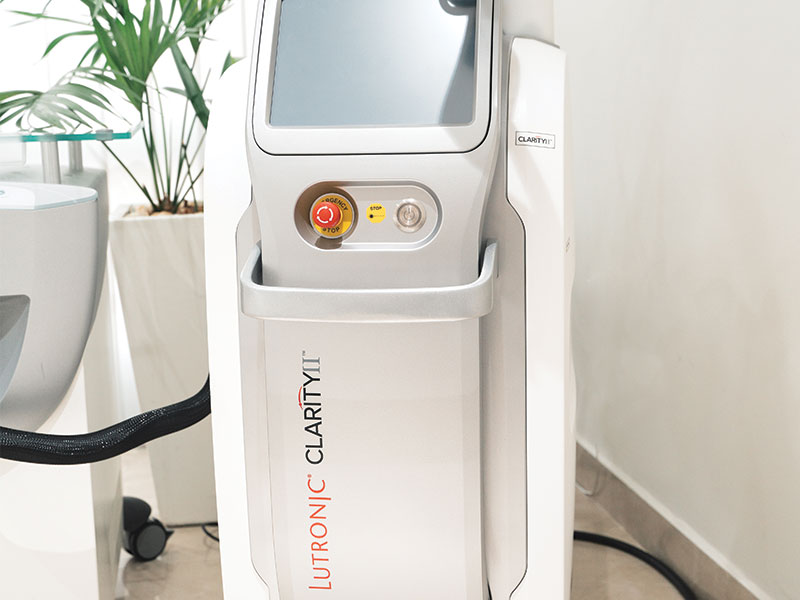
Clarity II: Combines dual wavelengths to treat both superficial and deeper pigmentation safely and comfortably.
Revlite: Gently breaks down melanin while refining overall skin texture.

We also offer LaseMD and Potenza RF to rejuvenate, resurface and restore bright, even-toned skin.

Get Expert Pigmentation Care at Medical Village in Dubai

Book your consultation at Medical Village today and take the first step toward clear, bright and beautifully even-toned skin!

How can we help you?

Schedule a free consultation today and discover a world of possibilities with Medical Village's unmatched variety of laser technology.

READY TO BOOK APPOINTMENT

BOOK YOUR APPOINTMENT

Leave us a message with your contact details and we will get back to you as soon as possible.

You might also be interested in

face rejuvenation

Cynoglow Face Treatment

hydrafacial

Facial Treatment

man with tattoo for removing tattoo

Laser Tattoo Removal

Clarity 2 Laser Machine

Clarity II Laser

BOOK YOUR APPOINTMENT

Your Journey to Wellness Starts Here
Since 2004, Medical Village has provided world-class aesthetic and medical care. Fill out the form below for a personalized response from our team within 24 hours.

For urgent inquiries:

Connect with us instantly at +971 4 346 9999 or via WhatsApp.